
Is candlenut good for your hair is a question attracting growing attention as consumers increasingly explore plant-based ingredients for hair care. The background to this trend is the rising interest in traditional beauty practices and natural oils, particularly in Southeast Asia, where candlenut has long been associated with hair and scalp care. Today, candlenut oil is being examined by consumers looking for alternatives to conventional hair products, although scientific evidence about its specific benefits for hair remains limited.
Why Candlenut Is Used in Hair Care
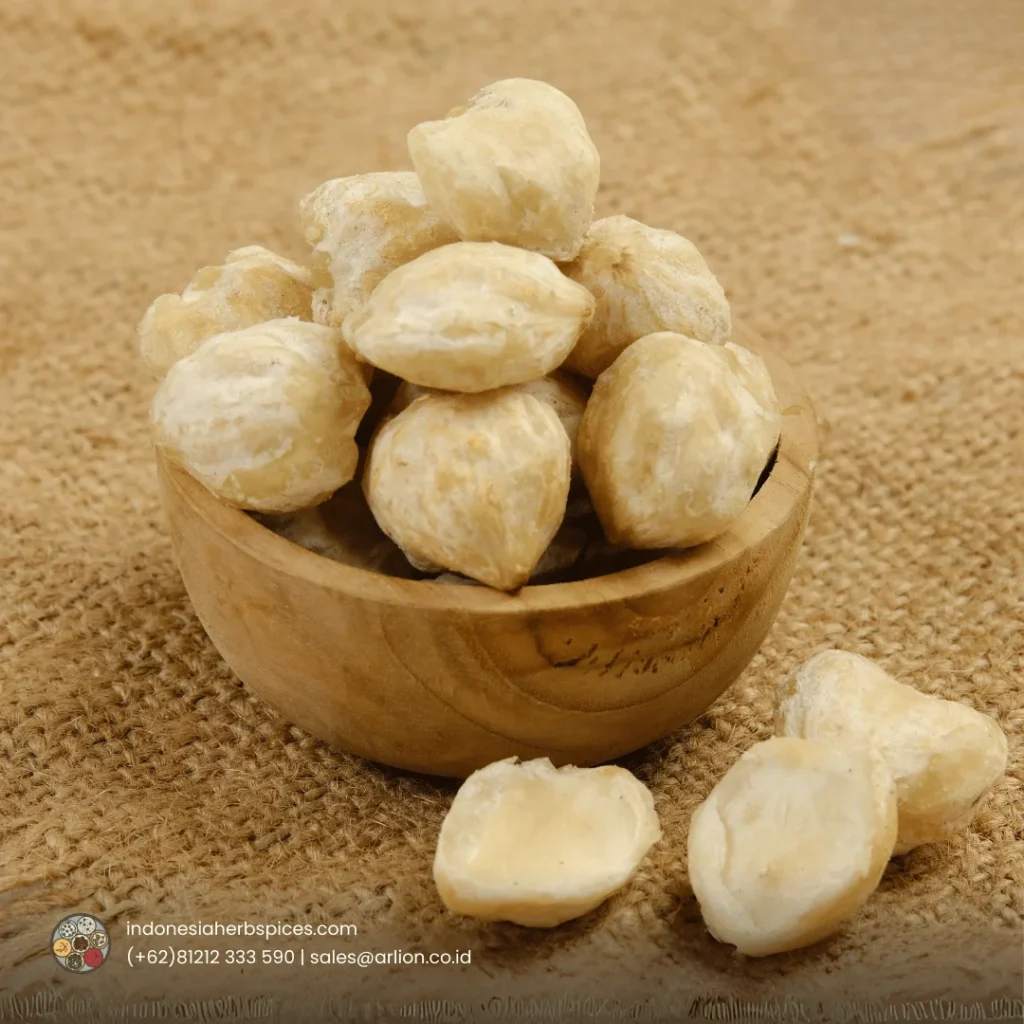
Candlenut, also known as Aleurites moluccanus, is a tree nut traditionally used in several Asian and Pacific cultures. Its seeds contain a significant amount of oil, which has contributed to its use in cooking, traditional practices, and personal care.
In hair care, candlenut oil is commonly applied to the scalp or hair strands. Traditional users associate the oil with improving hair appearance, supporting scalp moisture, and helping hair look smoother and shinier, Is candlenut good for your hair.
The growing interest in this ingredient is also connected to the broader natural beauty market. Consumers are increasingly examining plant-derived ingredients and looking for products with simpler formulations.
However, traditional use and modern scientific evidence are not always the same. While the oil contains fatty acids and other compounds that may provide conditioning properties, more research is needed to determine its specific effects on hair growth, hair loss, and scalp health.
What Makes Candlenut Oil Interesting?
The primary reason candlenut oil attracts attention is its lipid composition. Plant oils can help coat the hair shaft, reducing friction and improving the sensation of softness, Is candlenut good for your hair.
When applied appropriately, an oil may also help reduce the feeling of dryness by forming a protective layer over the hair. This can make strands appear smoother and more reflective.
Potential Conditioning Effects
One possible benefit is improved hair manageability. Hair that is dry or rough can become difficult to comb, increasing friction between strands. A suitable conditioning oil may help reduce this friction.
Candlenut oil may therefore have value as a cosmetic ingredient rather than as a proven treatment for a medical hair condition.
This distinction is important. Making hair feel softer or look shinier is different from stimulating new hair growth. At present, consumers should be cautious about treating traditional claims as established medical evidence.
Is Candlenut Good for Hair Growth?
The question Is candlenut good for your hair becomes more complicated when the discussion shifts from conditioning to hair growth.
Hair growth is influenced by numerous factors, including genetics, age, hormones, nutrition, general health, medications, and scalp conditions. Applying an oil to the scalp does not necessarily address the underlying cause of hair loss, Is candlenut good for your hair.
There is currently insufficient high-quality clinical evidence to conclude that candlenut oil can reliably stimulate hair growth or reverse common forms of hair loss.
This does not mean the ingredient has no cosmetic value. It simply means that claims about new hair growth should be distinguished from evidence-supported medical treatments.
Traditional Use Versus Scientific Evidence
Traditional knowledge can provide valuable clues for researchers, but it is not automatically equivalent to clinical evidence. A substance may have been used for generations without having undergone controlled studies that establish its effectiveness for a specific condition.
For candlenut oil, research has examined various properties of the plant and its constituents, but evidence specifically demonstrating substantial hair-growth effects in humans remains limited.
Consumers should therefore view the ingredient primarily as a potential conditioning component unless stronger clinical evidence becomes available.
Why Expectations Matter
Natural ingredients are often marketed with broad promises. Terms such as “hair growth,” “hair strengthening,” and “scalp nourishment” can have different meanings.
A product that makes hair feel more moisturized may be useful for someone experiencing dry hair, but this does not necessarily mean it increases the number of follicles producing hair.
Understanding this difference can help consumers make more informed decisions when choosing natural hair-care products.
How Candlenut Oil May Be Used
People interested in using candlenut oil should consider how the product is formulated and intended to be applied. Pure oils can be quite concentrated, while commercial hair products may combine them with other ingredients.
For hair conditioning, a small amount can be distributed through the lengths and ends of the hair. Users should avoid applying excessive quantities because this can leave hair feeling greasy and may make washing more difficult.
For scalp application, individual tolerance should be considered. The scalp can react differently depending on skin sensitivity, existing conditions, and the other ingredients in a product.
Safety Should Come First
Although plant-derived ingredients may appear inherently gentle, natural does not always mean risk-free. Some individuals can develop irritation or allergic reactions after topical exposure to botanical ingredients.
A patch test can be considered before applying a new product more extensively. If redness, itching, burning, swelling, or other unusual reactions occur, use should be discontinued.
Candlenuts themselves should also not be confused with candlenut oil intended for cosmetic use. Raw candlenuts can contain compounds that make them unsafe to consume without appropriate processing. Cosmetic and culinary products should therefore be used only for their intended purposes.
Choosing a Quality Product
Consumers should examine the product label before purchasing a candlenut-based hair treatment. Important considerations include the ingredient list, intended use, storage instructions, and information about the manufacturer.
Products designed specifically for cosmetic use may provide clearer instructions regarding application and safety than homemade preparations.
Storage is also relevant because natural oils can deteriorate over time when exposed to heat, light, or air. Keeping the product according to the manufacturer’s instructions can help maintain its quality.
Growing Interest in Natural Hair Care
The popularity of candlenut oil reflects a broader movement toward botanical ingredients in personal care. Consumers are increasingly interested in traditional ingredients and products positioned as plant-based alternatives.
This trend is particularly visible in Southeast Asian markets, where many traditional plants have historically been incorporated into beauty routines.
However, modern consumers are also becoming more interested in evidence. Instead of relying solely on traditional claims, buyers increasingly want to know whether an ingredient has been studied and what benefits can reasonably be expected.
A Balanced Approach
The answer to Is candlenut good for your hair ultimately depends on what “good” means. If the goal is to condition dry hair, improve softness, or add temporary shine, a suitable oil may provide cosmetic benefits.
If the goal is to treat significant hair loss, stimulate follicle activity, or address a scalp disorder, relying solely on candlenut oil would not be advisable, Is candlenut good for your hair.
Persistent or sudden hair loss can have many causes. In such cases, professional assessment is more appropriate than experimenting with cosmetic oils alone.
The Future of Research
Further research could help clarify the potential applications of candlenut-derived ingredients. Well-designed clinical studies could determine whether topical preparations have measurable effects on hair quality, scalp condition, or hair growth.
Until stronger evidence is available, manufacturers and consumers should avoid presenting traditional use as definitive proof of medical effectiveness.
Conclusion
Is candlenut good for your hair remains a relevant question as interest in natural hair-care ingredients continues to grow. Candlenut oil contains compounds that may provide conditioning and moisturizing properties, making it potentially useful as a cosmetic ingredient.
However, there is not enough strong clinical evidence to establish candlenut oil as a proven treatment for hair loss or a reliable hair-growth stimulant. Its potential benefits should therefore be understood mainly in terms of hair conditioning and appearance, Is candlenut good for your hair.
For consumers, the most sensible approach is to consider the ingredient as one option within a broader hair-care routine. Product quality, individual tolerance, scalp health, and realistic expectations all matter when evaluating natural beauty products.
Further Information
For more information Is candlenut good for your hair, please contact WhatsApp (+62) 812-1233-3590 or email sales@arlion.co.id.
WhatsApp: +62 812-1233-3590 or .
