
Rising Demand for Premium Natural Vanilla
Indonesia Vanilla Pods are gaining attention in international markets as food manufacturers, specialty retailers, and ingredient distributors seek natural flavoring materials with distinctive aromas and versatile applications. Vanilla remains an important ingredient in bakery products, confectionery, dairy foods, beverages, and premium desserts. Against a backdrop of growing interest in ingredient origin and product quality, Indonesia’s tropical growing conditions offer opportunities for farmers and suppliers to serve domestic and overseas buyers.
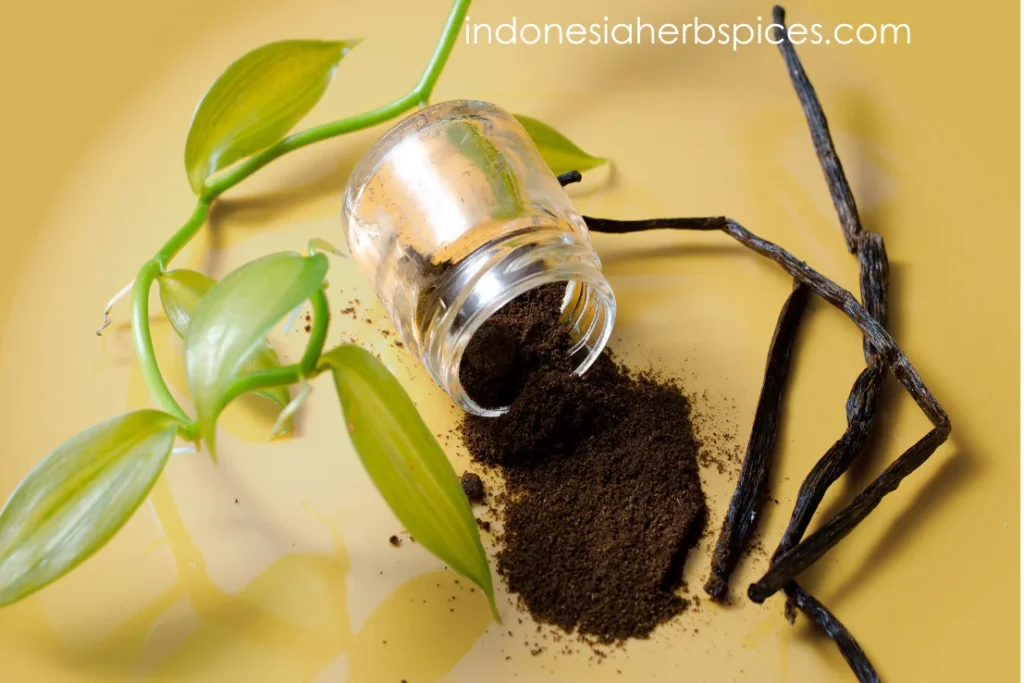
The commercial value of vanilla depends on more than its country of origin. Farming practices, harvesting maturity, curing techniques, moisture management, storage, and transportation all influence the quality of the final product. Buyers increasingly look for consistent specifications, reliable documentation, and suppliers capable of meeting their requirements across multiple shipments.
For Indonesian producers, these expectations create opportunities to strengthen supply chains, improve post-harvest handling, and develop stronger relationships with food manufacturers. Maintaining quality from cultivation to delivery is essential to competing in a market where aroma, appearance, and traceability can influence purchasing decisions.
Indonesia’s Place in Vanilla Production
Vanilla comes from orchids belonging to the genus Vanilla. The beans develop after pollination and require careful harvesting and processing to develop the characteristic fragrance associated with the finished ingredient, Indonesia Vanilla Pods.
Indonesia has suitable tropical environments for vanilla cultivation in several regions. Depending on local conditions, farmers may grow vanilla alongside other crops or within mixed agricultural systems. Production practices vary, making it important to evaluate individual suppliers and growing areas rather than assume that all beans from the same country have identical characteristics.
Vanilla cultivation also requires considerable attention. The plants need suitable support, appropriate shade, well-managed growing conditions, and protection from diseases that can damage vines and reduce harvests. In many production systems, flowers must be pollinated by hand because natural pollination may not be sufficient for reliable commercial yields.
Farming Practices and Crop Management,Indonesia Vanilla Pods
Successful cultivation begins with healthy planting material and suitable growing conditions. Farmers need to monitor soil drainage, moisture, plant nutrition, and vine development throughout the growing cycle, Indonesia Vanilla Pods.
Flowering and pollination are particularly important stages. Vanilla flowers generally remain receptive for a limited period, so growers must identify flowering plants and carry out pollination at the appropriate time when required. Good crop management can improve production consistency, although weather, plant health, and other environmental factors continue to affect yields.
Training and access to agricultural guidance can help farmers improve their practices. For commercial buyers, stronger farm management can contribute to more dependable supply and better quality control.
From Harvesting to Finished Vanilla Beans
Selecting Mature Beans Indonesia Vanilla Pods
Harvest timing has a direct influence on vanilla quality. Beans must reach an appropriate stage of maturity before harvesting so that they can develop desirable characteristics during processing.
Harvesting too early can limit the development of flavor precursors, while delayed harvesting may increase the risk of beans splitting on the vine. Producers therefore need to monitor maturity carefully and use consistent harvesting standards.
After harvesting, the beans are prepared for curing. Handling at this stage matters because damaged or contaminated raw materials may affect the final product.
Curing Develops Aroma and Flavor
Fresh vanilla beans do not immediately possess the full aroma expected by manufacturers. Curing typically involves a sequence of treatments that may include heating, sweating, drying, and conditioning. The precise methods vary between processors, Indonesia Vanilla Pods.
During curing, biochemical changes help develop the complex aroma associated with vanilla. Temperature, timing, moisture, and handling must be controlled to achieve the desired result,Indonesia Vanilla Pods.
Drying is especially important. Excessive moisture can increase the risk of mold during storage, while over-drying may make the beans brittle and less suitable for some applications. Processors must therefore balance moisture management with the preservation of aroma and texture.
Packaging and Storage
Once curing and drying are complete, the beans need suitable packaging and storage. Excessive heat, light, moisture, or poor handling can reduce quality during transportation and warehousing.
Export-oriented suppliers should establish clear procedures for batch identification, inspection, packaging, and shipment preparation. These measures help buyers evaluate incoming products and identify differences between batches when necessary.
Applications Across the Food Industry, Indonesia Vanilla Pods
The versatility of vanilla supports demand from a wide range of food businesses. Depending on the formulation and processing requirements, whole beans can be used directly or processed into other vanilla ingredients.
Bakery and Confectionery
Vanilla is widely used in cakes, pastries, biscuits, custards, fillings, chocolate products, and confectionery. It can complement ingredients such as cream, butter, cocoa, and fruit while contributing a recognizable aromatic profile, Indonesia Vanilla Pods.
Artisan bakeries and premium dessert producers may prefer whole beans because the seeds can be visible in the finished product. Larger manufacturers may process beans into extracts or other ingredients to support efficient production and consistent flavor distribution.
The appropriate product depends on production volume, desired flavor intensity, cost, and the characteristics required in the final food.
Dairy Products and Ice Cream
Ice cream, custards, milk-based beverages, and other dairy products are established applications for vanilla. The ingredient can complement creamy textures and balance other flavors without necessarily overpowering them.
Manufacturers should assess how vanilla behaves within the complete formulation. Processing temperatures, ingredient interactions, storage conditions, and the selected product format can influence the final sensory experience.
Beverages and Specialty Foods
Vanilla can also be used in coffee beverages, syrups, bakery fillings, confectionery sauces, and selected specialty foods. Product developers may combine it with chocolate, caramel, fruit, or spices to create distinctive flavor profiles,Indonesia Vanilla Pods.
For industrial applications, consistent ingredient specifications are essential. Manufacturers need to ensure that the selected vanilla material is suitable for the intended food category and meets applicable food safety requirements.
Quality Factors Buyers Should Evaluate
Appearance, Aroma, and Moisture
Buyers commonly assess bean appearance, length, flexibility, aroma, and moisture content. These characteristics can help indicate whether a product matches the buyer’s specifications, although laboratory testing may be necessary for a more complete assessment.
Not every application requires identical bean dimensions or appearance. A buyer developing a premium retail product may prioritize visual presentation, while an ingredient processor may focus more heavily on aroma, composition, and processing suitability.
Clear grading standards can help reduce misunderstandings between suppliers and customers.
Traceability and Documentation
Traceability is increasingly important in international agricultural trade. Records connecting batches with farms, processing facilities, and shipment information can help buyers understand product origin and support quality management.
Exporters must also consider the import requirements of their target markets. Depending on the destination, these may include food safety documentation, labeling information, phytosanitary requirements, and other customs or regulatory procedures.
Requirements vary by market and product category, so buyers and exporters should verify current regulations before shipping.
Sustainability and Farmer Opportunities
Vanilla production can provide income opportunities for smallholder farmers and agricultural communities. However, cultivating the crop involves labor, time, and ongoing attention to plant health and harvesting practices,Indonesia Vanilla Pods.
Improved training, access to suitable planting materials, and better post-harvest infrastructure can help producers reduce losses and improve product consistency. Cooperation among farmers, processors, and exporters may also strengthen market access, Indonesia Vanilla Pods.
Sustainability claims should be supported by evidence. Responsible sourcing may involve transparent purchasing arrangements, appropriate land management, and documentation of any certifications. Suppliers should not describe products as organic or certified under a particular standard unless the relevant requirements have been met.
Market Opportunities for Indonesian Suppliers
International buyers may seek suppliers capable of providing consistent grades, dependable quantities, suitable packaging, and clear communication. For Indonesian businesses, these requirements create opportunities to differentiate their products through quality assurance and reliable service, Indonesia Vanilla Pods.
Before entering new markets, suppliers should evaluate production capacity, processing standards, logistics, pricing, and buyer specifications. Providing samples and technical information can help prospective customers assess whether a product meets their needs.
Long-term business relationships are more likely to develop when suppliers communicate realistic delivery schedules and maintain consistent quality between orders.
Conclusion
Indonesia Vanilla Pods offer opportunities for Indonesian farmers, processors, and exporters serving the global food industry. Their commercial value depends on careful cultivation, timely harvesting, effective curing, suitable storage, and reliable quality assurance. As buyers pay greater attention to sourcing and product consistency, suppliers that invest in transparent supply chains and improved processing practices can strengthen their competitiveness.
For manufacturers and distributors, evaluating aroma, moisture, appearance, documentation, and intended application can support more informed purchasing decisions. A consistent approach to quality remains essential to building confidence in Indonesian vanilla products.
For more information about vanilla products and Indonesia Vanilla Pods available supply options, contact Arlion via WhatsApp at (+62) 812-1233-3590 or email sales@arlion.co.id.
