
Type of vanilla is becoming an important consideration for food manufacturers, retailers, and consumers seeking distinctive flavors and reliable ingredient quality. As demand for natural flavorings continues across the bakery, beverage, confectionery, and personal care industries, understanding the differences between vanilla varieties can help buyers make informed decisions. Origin, botanical species, cultivation conditions, curing methods, and product format all influence vanilla’s aroma, flavor profile, availability, and commercial value.
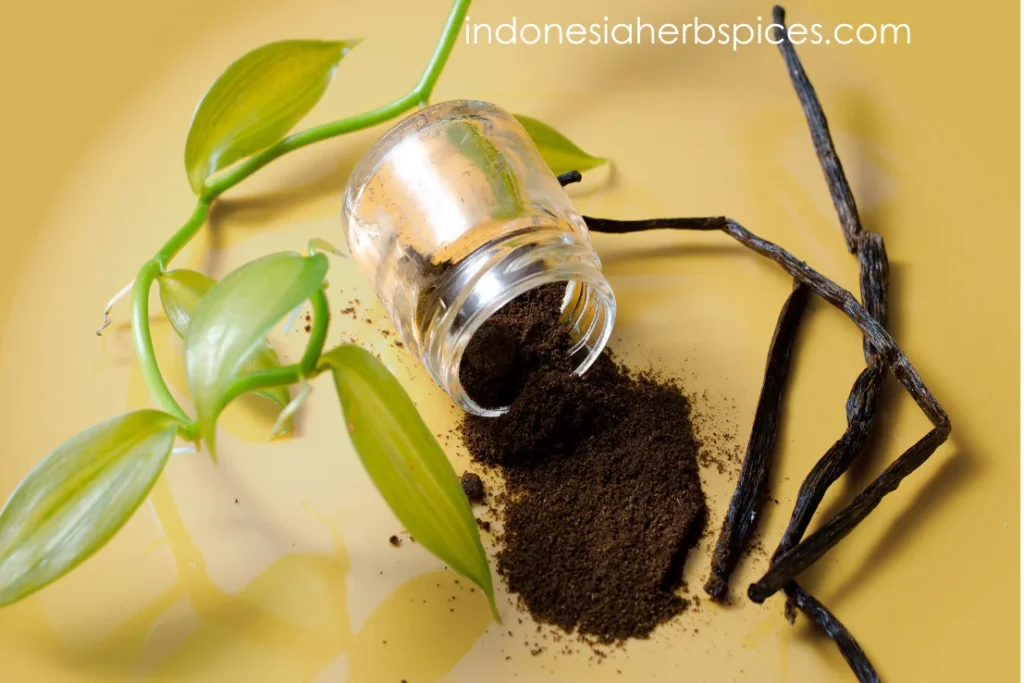
Understanding Vanilla and Its Main Varieties
A Valuable Tropical Crop
Vanilla comes from orchids belonging to the genus Vanilla. The plants produce elongated fruits commonly known as vanilla beans or pods. After harvesting, the pods undergo curing and drying processes that develop the familiar aroma associated with vanilla products.
Although vanilla is used worldwide, its cultivation requires specialized knowledge. The plants generally thrive in warm, humid environments and often need manual pollination in commercial growing regions. After pollination, the pods take several months to mature, followed by careful post-harvest handling to achieve suitable quality.
The global market includes different vanilla species and regional varieties, each offering distinctive characteristics. Buyers should understand that botanical variety and geographical origin are not the same thing. A species may be cultivated in several countries, while beans grown in the same region can still differ because of harvesting and processing practices.
Why Classification Matters
Understanding the type of vanilla available is important for businesses choosing ingredients for particular products. Some varieties are associated with creamy, sweet aromas, while others may offer woody, smoky, spicy, or more pronounced floral notes. These characteristics can influence how vanilla performs in ice cream, baked goods, beverages, sauces, and fragrances.
However, flavor descriptions are not absolute. Growing conditions, pod maturity, curing, storage, and extraction methods can significantly affect the final result. For commercial buyers, sensory evaluation and supplier specifications are often more useful than relying on a variety name alone, Type of vanilla.
Major Vanilla Species Used Commercially
Vanilla Planifolia
Vanilla planifolia is the most widely cultivated species for commercial vanilla production. It is commonly associated with the familiar sweet, creamy, and rich flavor profile used in many food products.
This species is cultivated in several tropical regions, including Madagascar, Indonesia, and other producing countries. Differences in climate, cultivation methods, and curing practices contribute to variations among products made from the same species.
Food manufacturers frequently use planifolia beans in ice cream, cakes, cookies, custards, and other products where a recognizable vanilla aroma is desired. The beans can also be processed into extracts, pastes, powders, and other ingredients suitable for industrial or household use.
When selecting this type of vanilla, buyers should assess moisture content, aroma, pod appearance, and the intended application. These factors help determine whether the product is appropriate for direct retail, extraction, or manufacturing.
Vanilla Tahitensis, Type of vanilla
Vanilla tahitensis is associated particularly with French Polynesia and is known for its distinctive aromatic profile. Compared with the familiar characteristics often associated with planifolia, tahitensis may offer more pronounced floral, fruity, and sweet notes.
These qualities can make it attractive to pastry chefs, specialty dessert producers, and premium food brands looking for a distinctive sensory experience. Its aroma may complement fruit-based desserts, creams, confectionery, and selected beverage applications.
Nevertheless, the performance of tahitensis depends on the specific beans and processing conditions. Buyers should request samples and assess the aroma in the actual recipe or product formulation rather than assuming that every batch will deliver the same characteristics.
Vanilla Pompona
Vanilla pompona is another species within the genus, although it is less prominent in international commercial markets than planifolia. It is cultivated on a more limited scale and is associated with larger pods and distinctive aromatic characteristics.
Its availability may vary significantly by region, making sourcing and consistency important considerations for businesses interested in experimenting with this species. Specialty producers may find opportunities in niche food applications, botanical collections, or products that emphasize unusual vanilla profiles.
Because commercial supply is more limited, purchasers should verify botanical identity, origin, quality, and any applicable regulatory requirements before using it in food or cosmetic products.
How Origin Influences Vanilla Quality
Regional Growing Conditions, Type of vanilla
Geographical origin is an important part of vanilla’s commercial identity. Climate, soil conditions, shade, rainfall, and agricultural practices influence how plants grow and develop their pods. The subsequent curing process further shapes the aroma and physical characteristics of the final product.
Madagascar is widely recognized for its vanilla production, particularly beans from Vanilla planifolia. Indonesian producers also contribute to international supply, with products serving various food manufacturing and ingredient markets. Other regions cultivate vanilla for domestic consumption, specialty markets, and export, Type of vanilla.
These regional differences can be commercially valuable, but origin alone does not guarantee quality. Buyers should evaluate individual batches and review supplier documentation before making purchasing decisions.
The Role of Harvesting and Curing
Type of vanilla pods must be harvested at an appropriate stage of maturity. Premature harvesting can affect the development of desirable flavor compounds, while delayed harvesting may increase the risk of pod splitting and product loss, Type of vanilla.
After harvesting, curing involves controlled stages that encourage the development of aroma and reduce moisture. Methods vary by producer, but careful handling is essential throughout the process. Poor storage can introduce moisture problems, mold, or unwanted changes in aroma.
For this reason, businesses comparing a type of vanilla should consider its entire production history, not just its species or country of origin. Consistent curing and storage can be as important as the original plant material.
Vanilla Products and Their Uses
Whole Beans, Extracts, and Powders
Vanilla is sold in several formats to meet different commercial requirements. Whole beans are often preferred by chefs and premium food producers who want visible vanilla seeds and direct control over preparation. They can be split and scraped to release the seeds, while the remaining pods may be used to infuse liquids or sugar, Type of vanilla.
Vanilla extract provides a convenient liquid ingredient for baking, beverages, and other formulations. Its flavor depends on the raw material, extraction process, concentration, and applicable product standards. Buyers should check the label to understand whether the product contains natural vanilla extract, added flavorings, or other ingredients.
Vanilla powder offers another option for applications requiring a dry ingredient. Its composition can differ between products, so purchasers should confirm whether the powder is made from ground vanilla beans, an extract combined with a carrier, or another formulation.
Choosing the Right Product for Each Industry
Bakeries may prioritize aroma stability during heating, while ice cream producers may focus on flavor release in cold applications. Beverage manufacturers must consider solubility, color, and compatibility with other ingredients. Cosmetic formulators, meanwhile, need to evaluate ingredient specifications, intended use, and relevant safety requirements.
Choosing the right type of vanilla therefore requires more than comparing price. Product format, flavor intensity, processing characteristics, availability, and consistency should all be part of the purchasing decision.
Market Trends and Sourcing Challenges, Type of vanilla
Balancing Quality and Cost
Vanilla production is labor-intensive and vulnerable to weather disruptions, crop disease, and changes in market supply. These factors can contribute to price fluctuations, creating challenges for manufacturers that need reliable ingredient costs.
Businesses can manage these risks by establishing relationships with reputable suppliers, planning purchases carefully, and evaluating alternative specifications when appropriate. However, substituting one variety for another may change a product’s sensory profile, so reformulation and testing are important.
Traceability and Responsible Sourcing
Transparency is increasingly relevant throughout agricultural supply chains. Buyers may request information about origin, harvesting practices, processing facilities, quality testing, and product traceability.
Suppliers that maintain clear records can help customers verify product specifications and manage quality expectations. Responsible sourcing can also support better supply-chain oversight and encourage more consistent practices among growers and processors.
The Future of Vanilla Production
The international vanilla market offers opportunities for growers, processors, exporters, and food manufacturers, but long-term success depends on quality and reliable supply. Better cultivation practices, careful curing, appropriate storage, and transparent sourcing can help producers maintain competitiveness, Type of vanilla.
For buyers, understanding the differences among commercial vanilla species and product formats makes it easier to select ingredients suited to specific applications. Rather than choosing solely by price or origin, businesses should assess aroma, specifications, processing requirements, and consistency.
As demand for distinctive natural flavors continues across multiple industries, informed sourcing decisions will remain essential. Understanding the available varieties helps connect growers with appropriate markets while enabling manufacturers to deliver products that meet consumer expectations.
For more information about Type of vanilla products and agricultural ingredient solutions, contact WhatsApp (+62) 812-1233-3590 or email sales@arlion.co.id.
