
candlenut from indonesia has emerged as one of the most significant agricultural commodities in the global spice and food ingredient market, driven by increasing international demand for natural seasoning, traditional cuisine ingredients, and herbal-based products. Indonesia, as one of the world’s largest producers of candlenut, plays a crucial role in supplying this versatile commodity to global markets, particularly in Asia, the Middle East, and Europe. The rising popularity of natural cooking ingredients and plant-based products has further strengthened Indonesia’s position in the international candlenut trade, making it an important contributor to the country’s agricultural export economy.
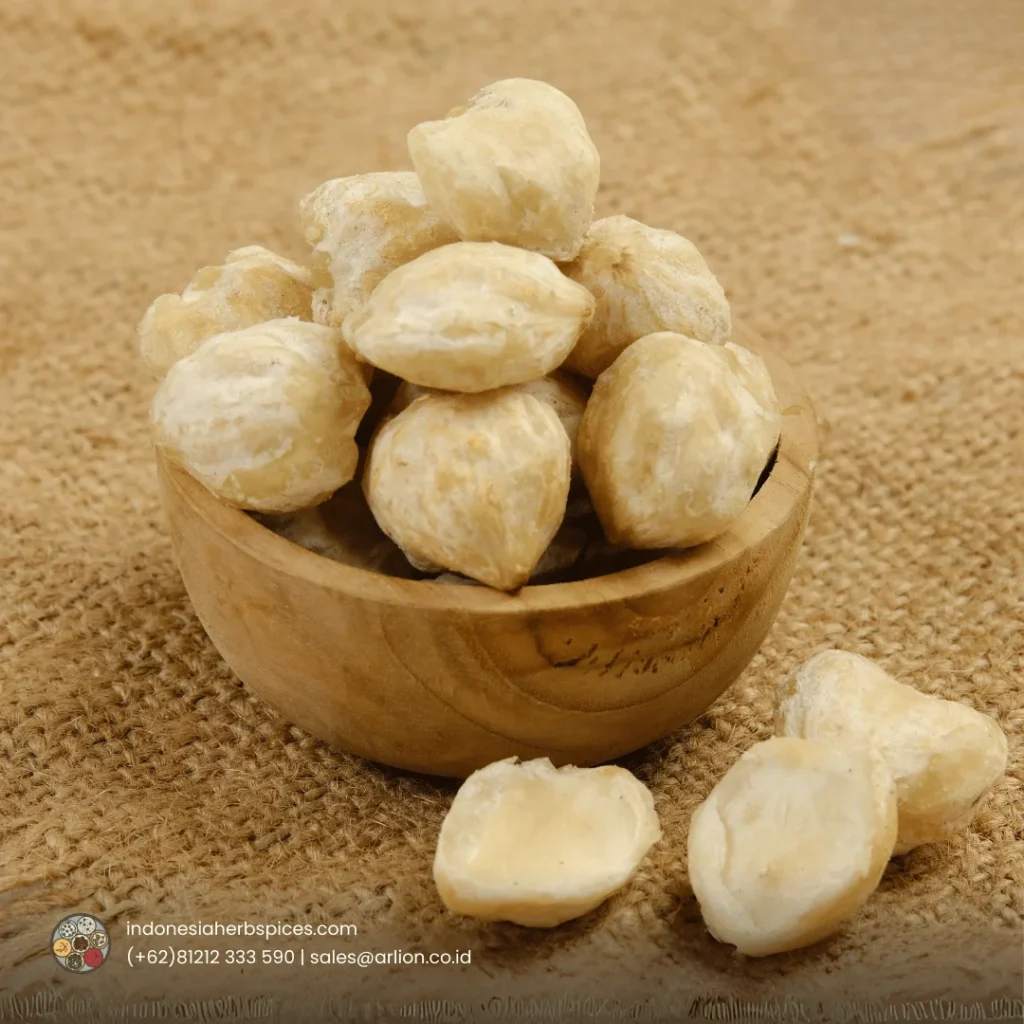
Rising Global Demand for Candlenut Products
The global spice and culinary ingredient market continues to expand as consumers seek authentic flavors and natural food enhancers. candlenut from indonesia is increasingly recognized for its unique characteristics and wide application in traditional and modern cuisine.
Several factors are driving this growing demand:
- Expansion of Asian and ethnic food markets worldwide
- Increasing preference for natural and plant-based ingredients
- Growth of the food processing and seasoning industry
- Rising awareness of traditional herbal ingredients
Candlenut is widely used as a thickening agent, flavor enhancer, and essential ingredient in many Southeast Asian dishes.
Background of Candlenut Cultivation in Indonesia
Indonesia has a long history of candlenut cultivation, particularly in regions such as Sulawesi, Sumatra, and parts of Java. The tropical climate and fertile soil conditions make it ideal for candlenut tree growth, supporting consistent production throughout the year.
Indonesia’s Role in Global Supply Chain
Indonesia plays a dominant role in the global supply of candlenut due to its large-scale production capacity and established export networks. The country supplies both raw and processed candlenut products to international markets.
Production Capacity and Regional Distribution
Key producing regions in Indonesia include:
- North Sulawesi
- West Sumatra
- East Nusa Tenggara
- Central Java
Farmers in these regions rely on candlenut as a valuable cash crop, contributing to rural economic development and agricultural sustainability.
Export Market Expansion
The export of candlenut has expanded significantly in recent years, with increasing shipments to:
- China
- India
- Vietnam
- Middle Eastern countries
- European specialty food markets
The growing interest in ethnic cuisine has contributed to higher export volumes.
Economic Importance of Candlenut Industry
The candlenut from indonesia trade plays an important role in supporting local economies and agricultural livelihoods. It provides income opportunities for smallholder farmers and contributes to national export earnings.
Income Generation for Rural Communities
Candlenut farming is often carried out by small-scale farmers who depend on seasonal harvests. The crop provides:
- Stable income sources
- Employment opportunities in rural areas
- Incentives for agroforestry practices
Contribution to National Exports
As a non-oil agricultural commodity, candlenut contributes to Indonesia’s diversification of export products, strengthening its position in global agricultural trade.
Processing and Quality Standards
To meet international market requirements, candlenut must undergo proper processing and quality control measures.
Post-Harvest Processing
The processing stages typically include:
- Harvesting mature candlenuts
- Drying under controlled conditions
- Shell removal and kernel extraction
- Sorting and grading by size and quality
- Packaging for export distribution
Each step is essential to ensure product consistency and safety.
Quality Assurance in Export Markets
Export-quality candlenut must meet strict standards, including:
- Low moisture content
- Absence of mold or contamination
- Uniform kernel size
- Proper packaging to prevent spoilage
These standards ensure that Indonesian candlenut remains competitive in international markets,candlenut from indonesia.
Industrial and Culinary Applications
Candlenut is a versatile ingredient with applications in both food preparation and industrial use, candlenut from indonesia.
Use in Traditional Cuisine
In Southeast Asian cooking, candlenut is commonly used in dishes such as:
- Curries and sauces
- Spice pastes
- Thickened soups
- Traditional herbal recipes
Its natural oil content provides a creamy texture and rich flavor.
Use in Food Processing Industry
Food manufacturers use candlenut as:
- Natural thickening agent
- Flavor enhancer in packaged foods
- Ingredient in spice blends
Its versatility makes it valuable in both artisanal and industrial food production.
Challenges in the Candlenut Industry
Despite its growing demand, the candlenut industry faces several challenges that affect production and export potential.
Supply Chain Limitations
Seasonal harvesting and weather conditions can impact supply consistency, leading to fluctuations in availability.
Market Competition
Other producing countries in Southeast Asia also compete in the global candlenut market, creating price competition and pressure on exporters.
Quality Control Issues
Maintaining consistent quality across different regions can be challenging, especially for small-scale farmers without access to advanced processing facilities, candlenut from indonesia.
Sustainability and Agricultural Development
Sustainability is becoming increasingly important in the agricultural sector, including candlenut production.
Environmental Benefits
Candlenut trees contribute to:
- Soil conservation
- Reforestation efforts
- Biodiversity preservation
They are often grown in agroforestry systems that support ecological balance.
Support for Sustainable Farming
Government and private sector initiatives are encouraging sustainable farming practices, including training programs and improved agricultural techniques.
Future Outlook of Candlenut Market
The future of candlenut from indonesia remains positive as global demand continues to rise and new market opportunities emerge.
Growth in Global Culinary Trends
The increasing popularity of Asian cuisine worldwide is expected to drive further demand for candlenut as a key ingredient.
Value-Added Product Development
Future industry developments may include:
- Candlenut oil extraction
- Processed spice pastes
- Organic food products
- Cosmetic and herbal applications
Expansion of Export Networks
Indonesia is expected to strengthen its export infrastructure, improving logistics and market access for international buyers,candlenut from indonesia.
Conclusion
Candlenut remains an important agricultural commodity with strong economic and cultural significance. The continued growth of candlenut from indonesia reflects rising global demand for natural, traditional, and versatile food ingredients. With strong production capacity, expanding export markets, and increasing focus on sustainability, Indonesia is well-positioned to maintain its leadership in the global candlenut industry. Ongoing improvements in quality control, processing technology, and market expansion strategies will further enhance its competitiveness in the years ahead.
For further information candlenut from indonesia, you may contact WhatsApp at https://wa.me/6281212333590 or via email at mailto:sales@arlion.co.id.