Different Vanilla Beans are attracting growing attention as demand for natural flavors continues to expand across the global food, beverage, fragrance, and personal-care industries. Although vanilla is commonly associated with a familiar sweet aroma, beans from different species and growing regions can have noticeably different characteristics. Origin, cultivation practices, harvesting, and curing methods all contribute to the final aroma, appearance, and flavor of the beans.
Vanilla is produced from the fruit of orchids belonging to the Vanilla genus. Several species exist, but only a few have developed significant commercial importance. The most widely recognized varieties include Bourbon or Madagascar vanilla, Tahitian vanilla, and Mexican vanilla. Each has developed its own identity in international markets and is used according to the characteristics desired by manufacturers, chefs, and consumers Different Vanilla Beans.
The growing interest in natural ingredients has also encouraged buyers to pay closer attention to the origin and quality of vanilla. Rather than treating all vanilla as the same ingredient, businesses are increasingly considering geographical origin, processing methods, and sensory characteristics when selecting beans.
Why Vanilla Beans Can Be Different
Vanilla beans may look similar at first glance, but their internal characteristics can vary considerably. Genetics play an important role, while environmental conditions and post-harvest processing can further influence quality.
Temperature, rainfall, soil conditions, sunlight, and humidity affect how vanilla plants develop. After harvesting, the curing process becomes equally important because it allows the characteristic vanilla aroma to develop.
The Role of Curing
Freshly harvested vanilla beans do not immediately have the familiar aroma associated with finished vanilla products. The beans undergo a curing process that can involve blanching, sweating, drying, and conditioning.
During this period, chemical changes take place inside the beans. These reactions help develop vanillin and many other aromatic compounds responsible for the complex scent and taste of natural vanilla.
As a result, the same botanical variety can show differences depending on how it is cultivated and processed.
Madagascar Vanilla,Different Vanilla Beans
Madagascar is one of the most recognized origins for natural vanilla. Its beans are generally associated with Vanilla planifolia, a species that dominates commercial vanilla production.
Madagascar vanilla is often described as having a rich, sweet, creamy, and familiar vanilla profile. This makes it suitable for a wide range of applications, including ice cream, chocolate, bakery products, dairy foods, beverages, and vanilla extracts.
A Major Ingredient for Food Manufacturers
The popularity of Madagascar vanilla Different Vanilla Beans has made it an important ingredient for manufacturers around the world. Its recognizable flavor allows it to work well in both simple recipes and complex formulations.
However, supply can be affected by weather conditions, agricultural challenges, labor requirements, and international market fluctuations. These factors can contribute to changes in availability and pricing.
The curing process also requires considerable manual work. Farmers and processors must carefully manage moisture and drying conditions to achieve beans with desirable characteristics.
Tahitian Vanilla
Tahitian vanilla is another distinctive product within the international vanilla market. It is commonly associated with Vanilla tahitensis, a type known for its unique aromatic profile.
Compared with the classic creamy profile commonly associated with Madagascar vanilla, Tahitian beans are often recognized for floral, fruity, and slightly delicate notes.
Used in Specialty Products
Because of its distinctive Different Vanilla Beans aroma, Tahitian vanilla is frequently associated with specialty culinary applications. Pastry chefs, chocolatiers, beverage producers, and premium food manufacturers may use it when a more floral or aromatic character is desired.
Its characteristics can make it particularly suitable for products where vanilla is intended to stand out rather than simply support other flavors.
Tahitian vanilla is especially associated with French Polynesia, although cultivation has expanded to other suitable regions.
Mexican Vanilla
Mexico has a special historical connection to vanilla because the plant originated in Mesoamerica. Indigenous communities used vanilla long before the ingredient became an internationally traded commodity.
Mexican vanilla is primarily associated with Vanilla planifolia. Depending on the region and production method, its flavor may include rich, spicy, woody, or traditional vanilla notes.
A Historic Vanilla-Producing Region
Mexico’s importance extends beyond its role as a producer. The country is central to the history of vanilla cultivation and use, Different Vanilla Beans .
One of the interesting aspects of Mexican vanilla production is its connection with traditional agricultural practices. Vanilla flowers require pollination, and commercial growers outside the plant’s native environment commonly rely on manual pollination to ensure successful fruit development.
The combination of geographical origin and traditional knowledge continues to give Mexican vanilla an important position in specialty markets.
Indonesian Vanilla
Indonesia is also an established producer of natural vanilla Different Vanilla Beans. Different growing regions can produce beans with varying characteristics depending on climate, soil, agricultural practices, and curing techniques.
Indonesian vanilla can offer a broad range of aromatic profiles, making it relevant to both domestic and international markets.
Opportunities for Local Producers
The international demand for natural Different Vanilla Beans creates opportunities for Indonesian farmers and processors to develop higher-value agricultural products.
Improving post-harvest handling, quality control, traceability, and curing practices can help producers meet the requirements of buyers looking for consistent vanilla beans.
Sustainable cultivation is also becoming increasingly relevant. Better agricultural practices can help maintain productivity while supporting the long-term health of farming areas.
Uganda and Other Emerging Origins
Uganda has gained recognition as another source of natural vanilla. Ugandan vanilla is commonly associated with Vanilla planifolia and can provide a distinctive flavor profile influenced by local growing and curing conditions.
Other countries in Africa, Asia, and the Pacific also participate in the vanilla industry. Their presence demonstrates that vanilla production is no longer limited to a small number of traditional producing areas.
Geographic Origin Matters, Different Vanilla Beans
The growing number of producing countries provides buyers with more choices, but it also makes quality assessment increasingly important.
Beans from different origins can vary in moisture content, size, appearance, aroma, and vanillin concentration. Buyers therefore need to consider both origin and processing quality when selecting raw materials.
How Businesses Select Different Vanilla Beans
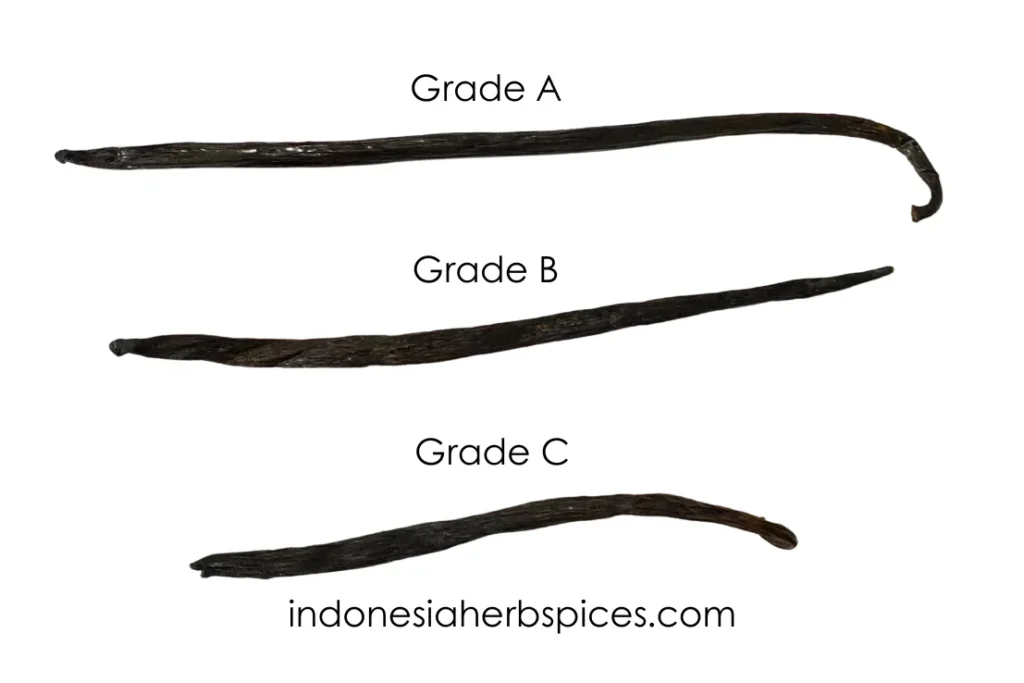
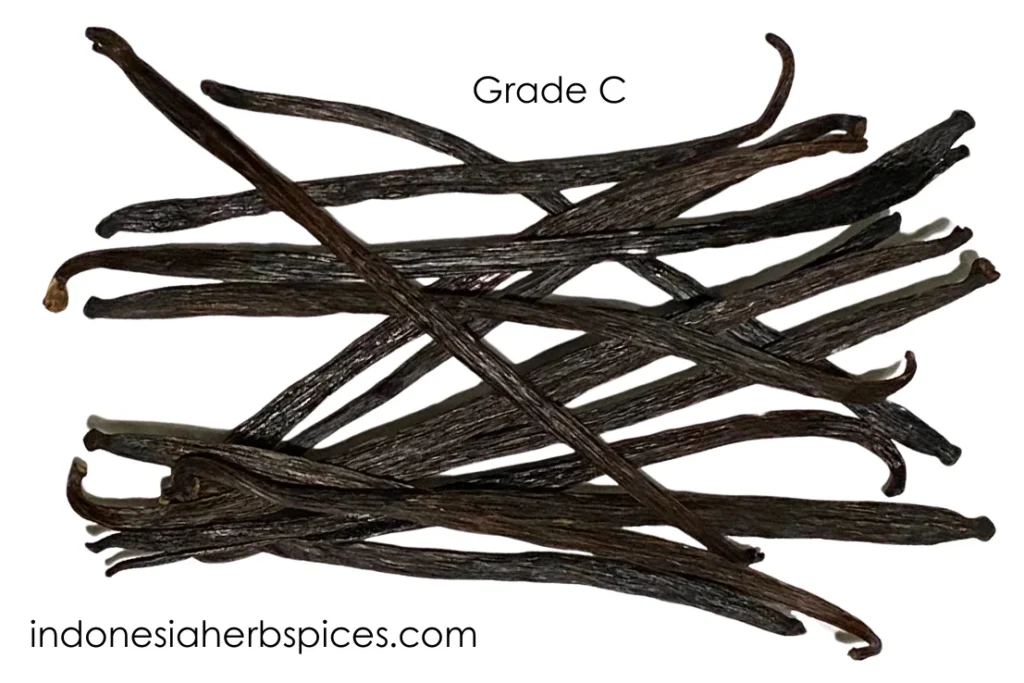
Food manufacturers and ingredient buyers generally consider several factors before purchasing vanilla beans. These can include bean length, moisture level, flexibility, appearance, aroma, curing quality, and intended application.
The desired characteristics may also depend on the final product. A manufacturer producing vanilla extract may have different requirements from a company producing premium desserts or specialty chocolate.
Quality and Traceability
Traceability has become an increasingly important consideration in the natural ingredient market. Buyers may seek information about the farming region, processing method, supplier, and production practices.
This information can help companies maintain consistent product quality and communicate more clearly with consumers about ingredient origins, Different Vanilla Beans .
Sustainability and the Future of Vanilla
The vanilla industry faces several challenges, including climate variability, agricultural diseases, labor-intensive production, and fluctuations in global prices.
Because vanilla cultivation requires careful attention from flowering through curing, improving agricultural knowledge and processing technology can have a significant impact on the final product.
Sustainable farming and stronger supply-chain relationships may also help create more stable opportunities for farmers and businesses.
Conclusion
Different Vanilla Beans demonstrate how botanical characteristics, geographical origin, farming practices, and curing methods can shape one of the world’s most recognizable natural flavors. Madagascar, Tahitian, Mexican, Indonesian, and Ugandan vanilla each contribute distinct characteristics to the international market.
As consumers and manufacturers continue to seek natural and traceable ingredients, understanding these differences can help businesses select vanilla that matches their quality standards and product requirements. At the same time, continued investment in sustainable cultivation, careful curing, and transparent supply chains can support the long-term development of the global vanilla industry.
For more information, contact us via WhatsApp (+62) 812-1233-3590 or by email.
