
Kukui nut has become increasingly recognized in global markets due to its diverse applications in cosmetics, wellness products, traditional crafts, and natural oil industries. As consumers continue seeking sustainable and plant-based alternatives, products derived from tropical resources are gaining stronger commercial value worldwide. Originating from the candlenut tree, kukui nut has long been utilized in traditional communities across the Pacific region for practical and cultural purposes. Today, modern industries are exploring its economic potential as demand for natural ingredients and eco-friendly materials continues to rise internationally.
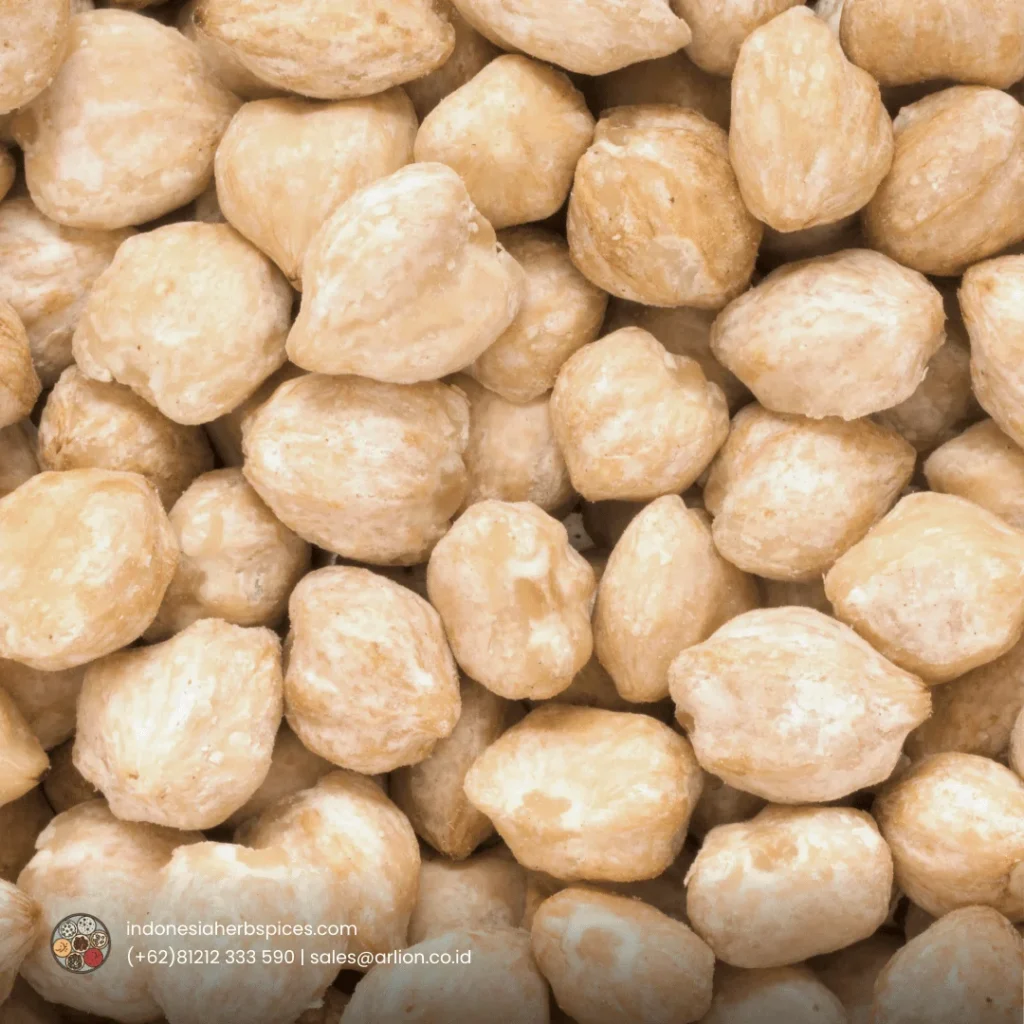
Background of Kukui Nut Utilization
The growing popularity of natural products has encouraged industries to rediscover traditional plant resources that offer both functional and commercial benefits. Tropical agricultural products are especially attractive because they can support sustainable production systems while meeting modern consumer preferences.
In recent years, kukui nut has attracted attention due to its oil content and versatility in various applications. Historically, the nut was widely used by indigenous communities for lighting, skincare, and medicinal traditions.
As awareness of natural wellness products expands globally, kukui-based products are increasingly entering international cosmetic and specialty markets.
Traditional and Cultural Significance
The kukui tree has deep cultural importance in several Pacific cultures. In some traditions, the nut was used to produce natural oil and light sources, while the tree itself symbolized protection and enlightenment.
Traditional uses of kukui nut included:
- Oil extraction for skin applications
- Craft and jewelry production
- Traditional lighting materials
- Herbal and ceremonial purposes
These historical uses continue to influence modern commercial product development.
Production and Processing Methods
The processing of kukui-derived products requires careful handling to maintain quality and functionality.
Harvesting and Preparation
The general production process involves:
- Collection of mature nuts
- Drying and shell removal
- Oil extraction or grinding
- Filtration and packaging
Depending on the intended application, kukui nut products may undergo additional refinement or blending processes.
Modern Manufacturing Techniques
Today, producers often combine traditional knowledge with modern extraction technologies to improve efficiency and product consistency. Advanced processing methods also help maintain product purity for international markets.
Applications in Cosmetic and Wellness Industries
Natural oils derived from tropical plants have become highly valued in personal care industries.
Skincare Products
Kukui oil is commonly used in skincare formulations because of its lightweight texture and moisturizing properties. Many beauty products include plant-based oils to meet growing consumer demand for botanical ingredients.
As a result, kukui nut products are increasingly found in lotions, creams, soaps, and massage oils.
Haircare and Spa Treatments
The wellness industry also utilizes kukui-derived oils in haircare treatments and spa products. Natural oils are often associated with premium wellness experiences and sustainable beauty trends.
Aromatherapy and Relaxation Products
Some manufacturers combine kukui oil with essential oils to create aromatherapy blends aimed at relaxation and personal care markets.
Economic Opportunities in Natural Product Markets
The increasing popularity of natural ingredients creates significant economic potential for tropical agricultural industries.
Growing Global Consumer Demand
Consumers in many countries are actively searching for products containing renewable and plant-based materials. This shift supports expanding demand for specialty oils and natural wellness ingredients.
Because of these trends, kukui nut products have gained stronger visibility in international trade and specialty retail markets.
Supporting Rural Communities
The cultivation and processing of tropical plant products can create employment opportunities in rural regions where agricultural activities remain important economic sectors.
Local producers and small businesses benefit from increased demand for value-added natural products.
Export Market Potential
Countries with tropical climates have opportunities to develop export-oriented industries focused on specialty oils and botanical ingredients. International buyers increasingly prioritize sustainable sourcing and eco-friendly production practices.
Environmental and Sustainability Benefits
Sustainability remains a major factor influencing consumer purchasing decisions and industrial development.
Renewable Natural Resource
The kukui tree represents a renewable agricultural resource that can contribute to environmentally responsible production systems.
The use of kukui nut in commercial products supports broader efforts to promote sustainable plant-based industries.
Reduced Dependence on Synthetic Materials
Natural oils and botanical ingredients may help reduce reliance on petroleum-based and synthetic alternatives commonly used in personal care products.
Supporting Biodiversity and Agroforestry
The cultivation of tropical trees can contribute to biodiversity conservation and support agroforestry systems that combine environmental and economic benefits.
Challenges Facing the Industry
Despite increasing market opportunities, several challenges remain in the development of kukui-based industries.
Product Quality and Standardization
Maintaining consistent quality is essential for export competitiveness. Variations in oil content and processing techniques can affect final product performance.
Market Competition
The natural oil industry includes many competing products such as argan oil, coconut oil, and almond oil. Producers of kukui nut products must continue improving branding and product innovation.
Limited Consumer Awareness
Although demand for natural ingredients is growing, many consumers are still unfamiliar with kukui-based products compared to more established botanical oils.
Future Trends and Industry Development
Experts predict continued expansion of the natural wellness and botanical product sectors over the coming years.
Innovation in Product Formulations
Manufacturers are expected to develop new cosmetic, wellness, and specialty products incorporating tropical plant ingredients.
In this evolving market, kukui nut is likely to gain broader recognition because of its natural properties and cultural heritage.
Sustainable Consumer Preferences
Consumers increasingly prioritize sustainability, ethical sourcing, and environmentally responsible products. This trend is expected to support long-term growth in botanical product industries.
Conclusion
Kukui nut represents a valuable tropical resource with expanding applications in cosmetics, wellness, and specialty natural product industries. Its historical significance, versatile uses, and renewable characteristics make it increasingly relevant in modern sustainable markets. As consumer demand for eco-friendly and plant-based products continues to rise, kukui-derived products are expected to play an important role in the future growth of global natural product industries.
Untuk informasi lebih lanjut dapat menghubungi WhatsApp (+62) 812-1233-3590 atau melalui email sales@arlion.co.id.