
A vanilla plantation is becoming increasingly important as global demand for natural vanilla continues to grow across the food, beverage, fragrance, and cosmetics industries. Rising consumer interest in natural ingredients, premium flavors, and traceable agricultural products has encouraged producers to explore more sustainable cultivation practices. Vanilla, known for its distinctive aroma and flavor, remains one of the most valuable spices in the international market, creating opportunities for farmers and agricultural businesses in suitable tropical regions.
Growing Demand for Natural Vanilla
The international vanilla industry has experienced growing attention as manufacturers increasingly seek natural alternatives to synthetic flavoring. Vanilla is widely used in ice cream, bakery products, chocolate, beverages, dairy products, desserts, and various processed foods. Its aromatic characteristics also make it valuable for perfumes, personal care products, and other applications.
Consumer preferences are another factor influencing the market. Modern buyers are paying greater attention to ingredient origins, production methods, sustainability, and product quality. This trend has created additional opportunities for agricultural producers capable of supplying high-quality vanilla with reliable traceability.
Countries with suitable tropical climates have therefore continued to explore the potential of vanilla cultivation. Indonesia is among the countries with favorable conditions for producing this valuable spice, particularly in regions where temperature, rainfall, soil conditions, and humidity support healthy plant development.
Indonesia’s Potential in Vanilla Production
Indonesia has extensive agricultural resources and a tropical climate that can support vanilla cultivation. Several regions have traditionally grown vanilla as part of their agricultural activities, providing experience that can be developed further through improved cultivation and post-harvest practices.
Smallholder farmers play an important role in the supply chain. However, increasing production quality requires attention to plant management, pollination, harvesting, curing, and storage. Improvements throughout these stages can help Indonesian vanilla compete in premium domestic and international markets.
Cultivation Requires Careful Management
Vanilla is a climbing orchid that requires specific environmental conditions to grow effectively. Unlike many conventional agricultural crops, successful production involves considerable manual work and attention to plant development.
The plants generally perform well in warm and humid tropical environments with adequate shade. Farmers also need to provide appropriate support structures because vanilla vines naturally require a host or support system for climbing.
Pollination Is a Critical Stage
One of the most important stages in vanilla production is pollination. Vanilla flowers have a limited period during which pollination can occur, making timely intervention essential in many production areas.
In commercial cultivation, flowers are commonly pollinated manually. This process requires skill and careful handling because improper techniques can damage the flower or reduce the likelihood of successful fruit development.
Successful pollination eventually results in the formation of vanilla pods. Farmers then need to monitor the developing pods until they reach the appropriate maturity stage for harvesting.
Harvesting and Curing Determine Quality
Harvest timing has a significant influence on the quality of the final product. Vanilla pods are generally harvested when they reach the appropriate level of maturity rather than being left indefinitely on the plant.
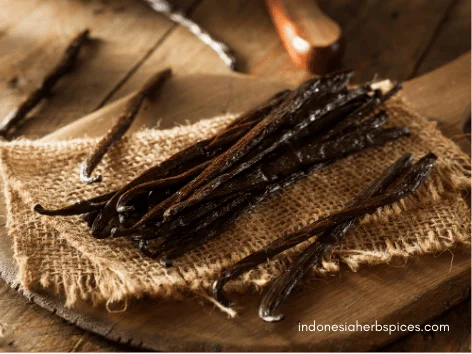
After harvesting, the pods undergo curing, a process that develops the characteristic aroma, color, texture, and flavor associated with high-quality vanilla. Curing commonly involves several stages, including controlled heating or conditioning, sweating, drying, and maturation.
The curing process requires patience and careful monitoring. Excessive moisture, inadequate drying, or poor storage conditions can negatively affect the finished product. For this reason, post-harvest management is just as important as cultivation itself.
Sustainability Becomes a Major Consideration
Environmental sustainability is becoming increasingly important in agricultural production. Vanilla farming can benefit from responsible land management, efficient resource use, and farming practices that protect soil and surrounding ecosystems.
Agroforestry systems are one approach that can provide suitable growing conditions while integrating vanilla with other plants. Shade trees and supporting vegetation can help create a favorable microclimate and contribute to biodiversity.
Supporting Smallholder Farmers
A large portion of global vanilla production comes from small-scale agricultural producers. Strengthening these farmers can therefore have a direct impact on the broader vanilla supply chain.
Training programs can help farmers improve cultivation techniques, disease management, pollination, harvesting, and curing. Access to better information and markets can also help producers understand quality requirements and improve their bargaining position.
Long-term partnerships between farmers, processors, exporters, and buyers may further contribute to supply-chain stability. Transparent purchasing systems and consistent quality standards can encourage farmers to invest in better production practices.
Technology and Traceability Transform the Industry
Technology is increasingly influencing agricultural supply chains, including the production of premium spices. Digital tools can help farmers and businesses record cultivation activities, monitor production, manage inventories, and improve traceability.
Traceability is particularly relevant for premium food ingredients. Buyers increasingly want to know where products originate and how they were produced. Detailed records can provide information about farming practices, processing stages, and distribution.
Opportunities for Value-Added Products
The vanilla industry also has opportunities beyond the sale of whole cured pods. Producers and processors can develop value-added products such as vanilla extract, vanilla powder, vanilla paste, and other specialized ingredients.
Value-added processing can increase the economic potential of vanilla by allowing businesses to serve different customer segments. Food manufacturers, bakeries, beverage companies, cosmetic producers, and hospitality businesses may have different requirements for vanilla-based ingredients.
Developing these products, however, requires appropriate processing facilities, quality control, packaging, and compliance with relevant food or product standards, vanilla plantation .
Global Market Outlook
The global market for natural vanilla is expected to remain influenced by consumer demand, crop conditions, production costs, and international trade. Weather conditions can have a particularly significant impact because vanilla production depends heavily on suitable environmental conditions and intensive manual labor.
Price fluctuations can also affect farmers and businesses throughout the supply chain. A balanced approach to production planning, inventory management, and market diversification can help reduce some of these risks.
For Indonesia, opportunities exist not only in supplying raw vanilla but also in developing higher-value processed products. Improving quality consistency and strengthening supply-chain infrastructure could help local producers reach more demanding international markets.
Future Prospects for Vanilla Agriculture
The future of the vanilla sector will depend on the ability of producers and businesses to combine traditional agricultural knowledge with modern techniques. Better cultivation management, improved curing processes, sustainable farming systems, and stronger traceability can contribute to long-term competitiveness, vanilla plantation .
As global consumers continue to show interest in natural and premium ingredients, demand for responsibly produced vanilla may create new opportunities for tropical agricultural regions. Indonesia, with its favorable climate and established agricultural experience, has the potential to further develop its position in this sector.
Ultimately, the growth of the vanilla plantation industry is not only about increasing production. It is also about improving quality, supporting farmers, protecting natural resources, and creating efficient value chains. With strategic investment and responsible agricultural practices, vanilla can continue to provide economic opportunities while meeting the evolving needs of the global market.
For more information, please contact us via: