
candlenut spice has gained increasing attention in the global culinary and food ingredient industry as international demand for authentic Southeast Asian flavors continues to rise. In recent years, chefs, food manufacturers, and spice traders have shown growing interest in traditional ingredients that offer unique taste profiles and nutritional value. Candlenut, also known as “kemiri” in Indonesia, is widely used as a thickening agent and flavor enhancer in various traditional dishes. Its role in regional cuisine has made it an essential component in many spice blends and culinary formulations worldwide.
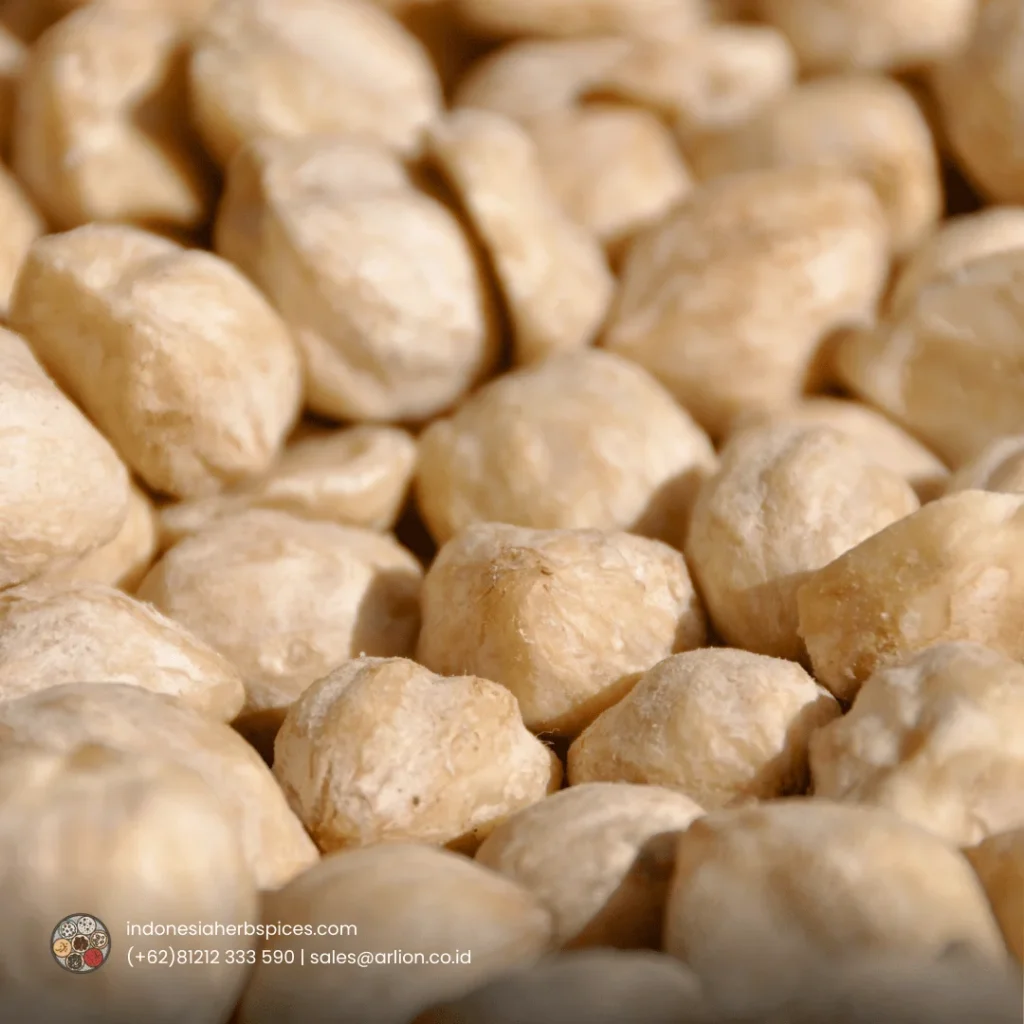
Rising Global Demand for Traditional Spices
The global spice industry has experienced rapid growth due to increasing consumer interest in ethnic foods and natural ingredients. As people become more adventurous in their culinary choices, traditional spices from Asia are gaining strong international demand.
One of the emerging ingredients in this trend is candlenut spice, which is valued for its creamy texture and ability to enhance the richness of sauces and curries. Its unique characteristics make it an important ingredient in Southeast Asian, Pacific, and some African cuisines.
The expansion of global food trade and online culinary marketplaces has further boosted awareness of this traditional ingredient among international consumers.
Cultural Importance of Candlenut
Candlenut has been used for centuries in traditional cooking, especially in Indonesia, Malaysia, and parts of the Pacific Islands. It is commonly found in dishes such as curries, stews, and sambals.
Historically, candlenut was not only used for cooking but also for lighting oil due to its high oil content. This dual-purpose nature highlights its cultural and economic importance in local communities.
Today, candlenut spice continues to play a significant role in preserving traditional culinary heritage while adapting to modern food industry demands.
Culinary Applications of Candlenut
Candlenut is widely used in cooking due to its ability to enhance texture and flavor in various dishes.
Thickening Agent in Traditional Cuisine
One of the most important uses of candlenut is as a natural thickening agent. When ground and cooked, it releases oils that help create a smooth and creamy consistency in sauces.
This property makes candlenut spice especially valuable in dishes such as:
- Indonesian rendang
- Malaysian curries
- Hawaiian traditional dishes
- Pacific Island stews
Flavor Enhancement
Candlenut contributes a mild, nutty flavor that blends well with strong spices such as chili, turmeric, and garlic. It helps balance flavors and create depth in complex recipes.
Use in Spice Blends
In modern culinary production, candlenut is often included in pre-mixed spice blends to simplify cooking processes for consumers and food manufacturers.
Nutritional and Chemical Composition
Candlenut contains a high level of natural oils and fats, which contribute to its culinary properties.
Natural Oil Content
The oil extracted from candlenut is rich and creamy, which is why it functions effectively as a thickener in cooking applications.
Nutritional Considerations
While candlenut is not typically consumed in large quantities, it contains fatty acids that contribute to its energy content. However, it must be properly prepared before consumption due to its raw toxicity.
The growing awareness of candlenut spice in food science has encouraged more research into its nutritional and functional properties.
Processing and Safety Considerations
Candlenut requires careful processing before it can be safely used in food preparation.
Proper Roasting Techniques
Raw candlenuts contain compounds that may be toxic if consumed without proper preparation. Therefore, they are typically roasted or cooked thoroughly before use.
Grinding and Preparation
After roasting, candlenuts are ground into a paste or powder form to be used in cooking. This process helps release oils and enhances flavor distribution in dishes.
Food Safety Standards
In commercial production, strict food safety guidelines are followed to ensure that candlenut spice products meet international quality standards.
Economic Importance in Southeast Asia
Candlenut production plays a significant role in the agricultural economies of several Southeast Asian countries.
Smallholder Farmer Involvement
Many candlenut plantations are managed by small farmers who rely on this crop as a source of income.
Export Potential
With rising global demand for ethnic ingredients, candlenut has strong export potential, especially to countries with large culinary industries.
Value-Added Products
Beyond raw nuts, candlenut is processed into oils, pastes, and spice blends, increasing its market value and industrial applications.
Role in Modern Food Industry
The food manufacturing industry has increasingly incorporated traditional ingredients to meet consumer demand for authentic flavors.
Ready-to-Use Spice Mixes
Food companies are developing ready-to-use spice blends that include candlenut to simplify cooking for consumers.
Restaurant and Catering Use
Professional chefs use candlenut spice to recreate authentic Southeast Asian dishes in international restaurants.
Frozen and Processed Foods
Candlenut is also used in frozen meals and packaged foods to enhance flavor and texture consistency.
Challenges in Global Trade
Despite its growing popularity, candlenut faces several challenges in global markets.
Limited Awareness
In many Western countries, awareness of candlenut remains relatively low compared to other spices.
Processing Requirements
The need for proper roasting and preparation adds complexity to large-scale processing and export.
Supply Chain Limitations
Transportation and storage conditions must be carefully managed to maintain product quality during export.
Innovation in Spice Industry
Technological advancements are helping improve the processing and distribution of traditional spices.
Advanced Drying Techniques
Modern drying methods help preserve flavor and extend shelf life of candlenut products.
Automated Grinding Systems
Industrial grinding machines allow for consistent production of candlenut powder used in commercial spice blends.
Product Standardization
Standardized quality control systems are being introduced to ensure that candlenut spice meets global food safety requirements.
Future Outlook of Candlenut Market
The future of candlenut in the global spice industry looks promising as demand for authentic ethnic ingredients continues to grow.
Expansion of Asian Cuisine Worldwide
The increasing popularity of Asian restaurants globally is expected to drive further demand for candlenut-based dishes.
Growth in Natural Food Ingredients
Consumers are shifting toward natural and minimally processed ingredients, which benefits traditional spices like candlenut.
Export Market Opportunities
Countries in Southeast Asia are expected to strengthen their position as key suppliers of candlenut spice in the global market.
Conclusion
candlenut spice plays an important role in both traditional cuisine and the modern global food industry. Its unique ability to enhance flavor and texture has made it a valuable ingredient in many culinary applications. As international demand for authentic and natural food ingredients continues to grow, candlenut is expected to gain even greater recognition in global markets. With proper processing, quality control, and export development, this traditional spice holds strong potential for long-term economic and culinary significance.
For further information you can contact us at WhatsApp (+62) 812-1233-3590 or via email sales@arlion.co.id.